How ICT helps students in education by making learning simple, fun, digital, and preparing learners for the future.
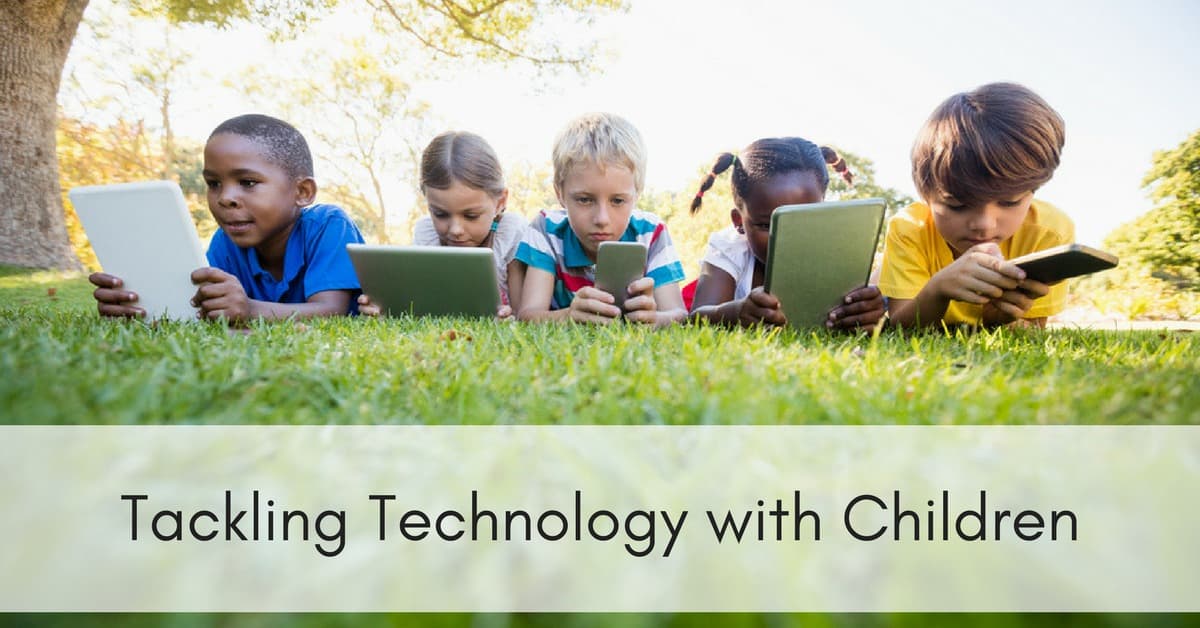
Today, learning is no longer only about books and chalk. ICT helps students in education by bringing learning closer to their daily life. Students now learn using computers, phones, videos, and the internet. These tools make learning easier, more fun, and more meaningful.
ICT helps students understand lessons better and feel confident in school. It also prepares them for a world where technology is part of everyday life.
What Is ICT in Education?
ICT means Information and Communication Technology. In simple words, ICT is any technology that helps people get information and share it.
Common ICT Tools Used in Schools
Students and teachers use:
- Computers and laptops
- Smartphones and tablets
- Internet and online classes
- Educational videos and digital books
These ICT tools help students learn in a clear and exciting way.
How ICT Helps Students in Education Every Day
ICT helps students in education in many simple ways that we see every day.
ICT Makes Learning Fun and Interesting
When students watch videos or see pictures, learning becomes fun. A video can explain a topic faster than many pages in a book. This helps students stay focused and enjoy learning.
ICT Helps Students Understand Better
Some lessons are hard to understand by reading only. ICT helps students see, hear, and practice what they learn. This makes learning easier and clearer.
ICT Helps Students Learn Anywhere
ICT helps students learn at school, at home, or even while traveling. With online lessons, students can study anytime they want.
How ICT Helps Students Grow Important Skills
ICT helps students in education by building skills they will need in life.
ICT Builds Digital Skills
Students learn how to use computers, search information online, and use learning apps. These skills are very important for future jobs.
ICT Improves Communication
Students can talk to teachers and classmates using emails, messages, and online meetings. This helps them share ideas and ask questions easily.
ICT Encourages Independent Learning
ICT helps students learn on their own. They can explore new topics, practice lessons, and learn at their own speed.
How ICT Helps Teachers Support Students
ICT helps students in education by helping teachers teach better.
ICT Helps Teachers Explain Clearly
Teachers use videos, slides, and pictures to explain lessons. This helps students understand faster.
ICT Saves Time
Teachers can prepare lessons quickly and share notes easily. This gives more time to help students who need support.
Why ICT Is Important in Education Today
ICT helps students in education by preparing them for the future. Most jobs today need computer and technology skills. Students who learn with ICT feel ready and confident.
ICT also helps students with different learning abilities. Slow learners can repeat lessons, and fast learners can learn more.
Challenges of ICT in Education
Even though ICT helps students in education, there are some challenges:
- Not all schools have enough computers
- Internet can be slow or expensive
- Some teachers need more training
With support from schools and governments, these challenges can be solved.
Conclusion: ICT Makes Learning Better
In conclusion, ICT helps students in education by making learning simple, enjoyable, and useful. It helps students understand lessons, build skills, and prepare for the future.
ICT is not just technology. It is a powerful tool that helps students grow, learn, and succeed in life.
Trusted External Links
- UNESCO – Digital Learning and ICT in Education
https://www.unesco.org/en/education/digital-education - World Bank – Education Technology
https://www.worldbank.org/en/topic/edutech - OECD – Digital Education and Skills
https://www.oecd.org/education/digital-education/