

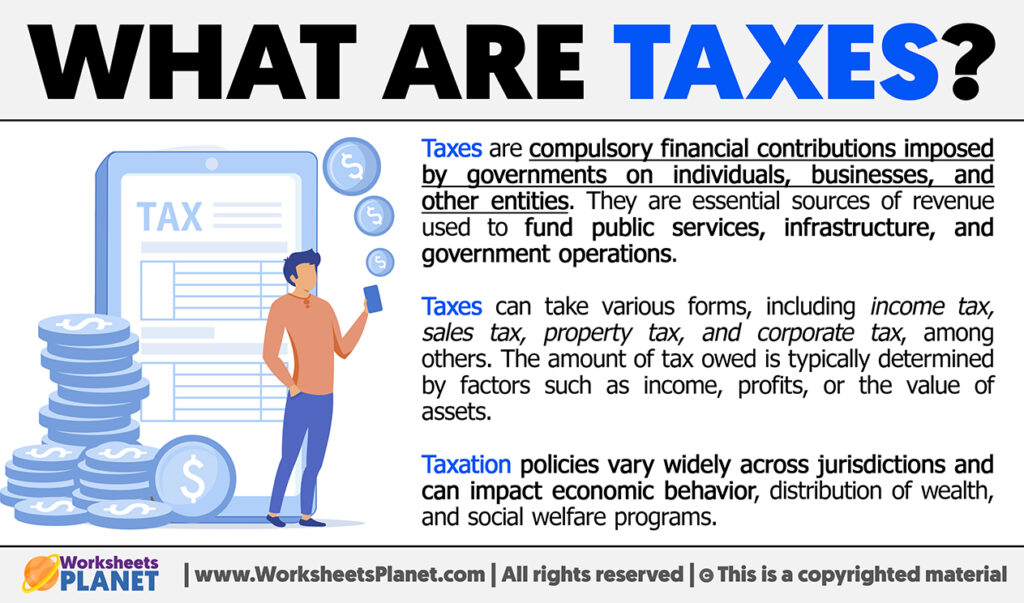
Laws of Taxation Explained Simply | Basic Taxation Laws Learn the laws of taxation in simple words. Understand fairness, certainty, convenience, and efficiency in taxation.
Laws of Taxation Explained in Simple Words
Taxes are part of our daily lives. Every country uses taxes to build roads, pay teachers, support hospitals, and provide public services. The laws of taxation help governments collect taxes in a fair and organized way.
The laws of taxation explain how taxes should be collected, who should pay, and how the system should treat people. These laws make sure taxation is fair, clear, and helpful to society.
What Are the Laws of Taxation?
The laws of taxation are basic rules that guide how taxes should be charged and collected. These laws were first explained clearly by an economist named Adam Smith.
According to Adam Smith, a good tax system must follow four main laws:
- Law of Equality
- Law of Certainty
- Law of Convenience
- Law of Economy
These laws help governments avoid unfair taxation and help citizens trust the tax system.
Law of Equality in Taxation
The law of equality means that everyone should pay tax according to their ability. People who earn more should pay more tax, while people who earn less should pay less.
This law makes taxation fair. It ensures that the tax burden is shared equally and that no group is treated unfairly. Equality in taxation helps reduce poverty and supports social balance.
Law of Certainty in Taxation
The law of certainty means that tax rules should be clear and easy to understand. A taxpayer should know:
- How much tax to pay
- When to pay
- How to pay
When taxation laws are certain, people feel confident and less stressed. Clear tax laws reduce corruption and confusion.
Why Certainty in Taxation Is Important
Certainty helps both the government and citizens. The government collects taxes smoothly, and citizens plan their money better. Without certainty, people may avoid paying taxes due to fear or confusion.
Law of Convenience in Taxation
The law of convenience says that taxes should be collected at a time and place that is easy for the taxpayer.
For example:
- Income tax is collected when people receive salaries
- Sales tax is paid when buying goods
This law makes taxation simple and friendly. Convenient taxation increases willingness to pay.
Convenience Builds Trust
When taxes are easy to pay, people cooperate more. Online tax systems and mobile payments are good examples of convenient taxation today.
Law of Economy in Taxation
The law of economy means that the cost of collecting tax should be low. The government should not spend more money collecting taxes than the tax itself.
Efficient taxation saves public money and increases development. This law ensures smart use of resources.
Economy Helps Development
When tax collection is efficient, more money remains for schools, hospitals, and infrastructure. This benefits the whole country.
Importance of the Laws of Taxation
The laws of taxation are important because they:
- Promote fairness
- Reduce corruption
- Increase trust in government
- Support national development
A country that follows proper taxation laws grows faster and stronger.
Final Thoughts on Laws of Taxation
The laws of taxation help create a fair and effective tax system. They protect both the government and citizens by ensuring clarity, fairness, and efficiency.
Understanding these laws helps people become responsible citizens and supports national growth. A good tax system builds a strong nation.
- Investopedia – Taxation Explained
- Economics Online – Adam Smith’s Canons of Taxation
- Wikipedia – Taxation
Laws of Taxation Explained Simply | Basic Taxation Laws 
what is the status of claudette nsengimana
Blockchain Made Simple | Easy Guide to Blockchain Technology
Blockchain Made Simple | Easy Guide to Blockchain Technology
Australia and India Denied by Rain After Suryakumar Big Hitting
US Coast Guard Suspends Search for Survivors of Pacific Boat Strike



















https://inezabusiness.com/laws-of-taxation-explained-simply-basic-taxation-laws/