

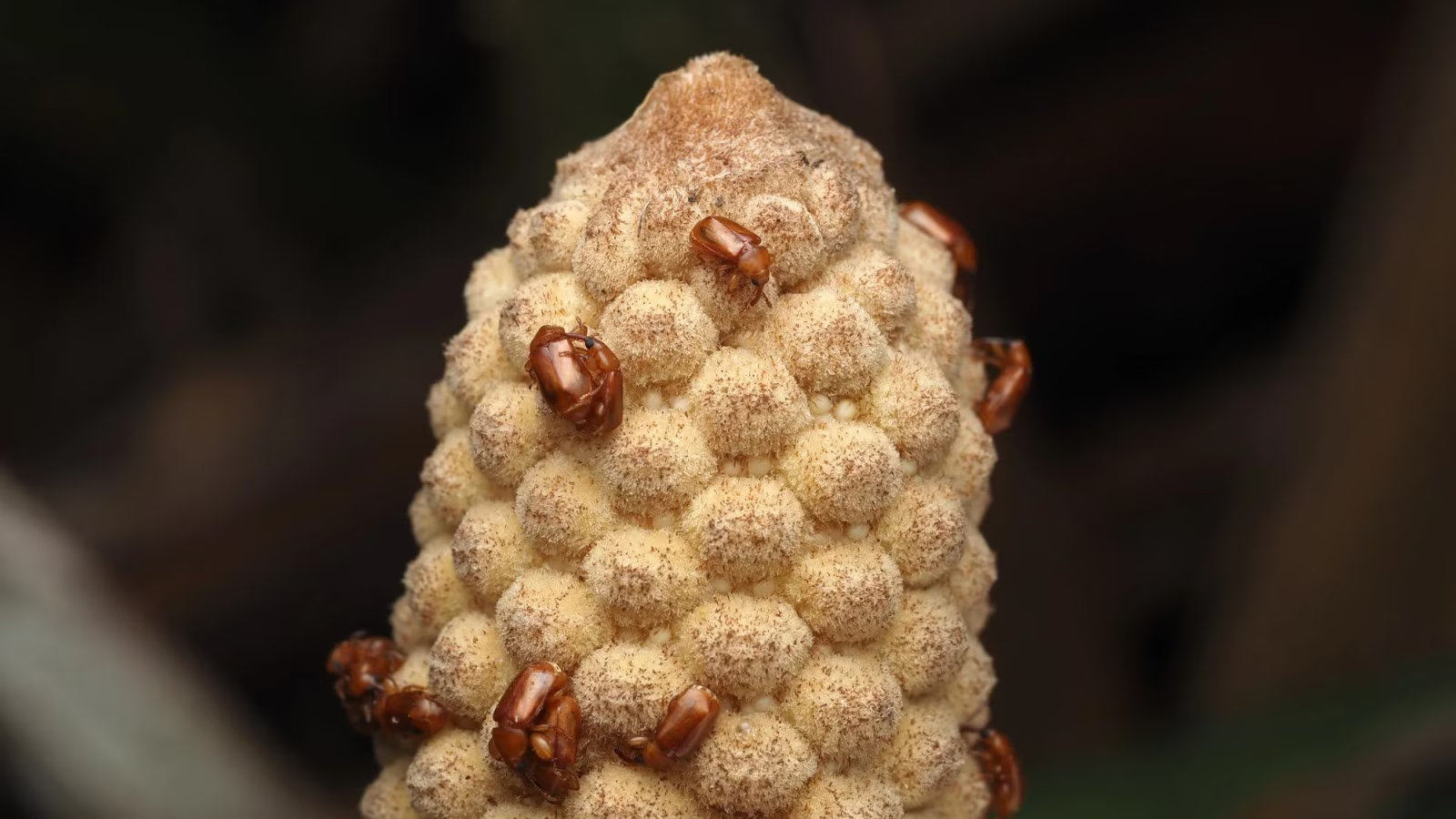
The original microwave: How these 300-million-year-old plants use heat to reproduce. Ever heard of a plant that uses heat to make babies? Discover how ancient cycads act like the original microwave to trick insects into helping them.
The original microwave: How these 300-million-year-old plants use heat to reproduce
If you saw a cycad in a garden, you might think it’s just an old-fashioned palm tree. But you are actually looking at a “living fossil.” These plants were around when dinosaurs were roaming the earth. While most plants wait for a lucky breeze to move their pollen, cycads are master manipulators. They use a clever trick involving heat and scent, which is why scientists often call them the original microwave.
How the Plant “Turns Up the Heat”
You might wonder how these 300-million-year-old plants use heat to reproduce. It’s not magic; it’s biology. When the plant is ready to start its cycle, it begins a process called thermogenesis. It burns stored energy to raise its temperature well above the air around it.
By turning itself into a tiny, cozy heater, the plant creates a specialized environment that keeps tiny insects—like beetles and thrips—perfectly warm and comfortable.
The “Push and Pull” Cycle
The way these plants use heat is a brilliant game of “come here, go away.”
-
The Pull: In the morning, the cone releases a sweet, sugary scent and stays warm. This is the “come here” signal. The insects, looking for a snack or a safe place to rest, crawl inside the cone.
-
The Push: As the day goes on, the plant turns up the heat, reaching temperatures that can hit 100 degrees Fahrenheit. At the same time, the smell changes to something quite unpleasant. The bugs, now feeling a bit too hot and bothered, decide to leave.
As they scurry out of the “microwave” and move to a cooler cone, they carry the pollen with them. It’s a perfect, automated delivery system that has worked for millions of years.
Why This Ancient Trick Still Matters
It’s easy to look at a plant and think it’s just sitting there, but learning how these 300-million-year-old plants use heat to reproduce shows us just how complex nature really is. They didn’t need gadgets or modern technology to master their environment; they built their own.
This ancient “microwave” technique helped cycads survive massive climate changes that wiped out so many other species. They are survivors in the truest sense, and their unique way of reproducing is a testament to how creative nature can be when it needs to keep the next generation going.
Dig Deeper Into Ancient Botany
If you want to explore more about these incredible plants, check out these resources:















Join our affiliate program today and start earning up to 30% commission—sign up now!
Boost your profits with our affiliate program—apply today!
Start earning every time someone clicks—join now!
Start earning instantly—become our affiliate and earn on every sale!
Drive sales, earn commissions—apply now!
看不懂但大受震撼
Start profiting from your network—sign up today!
Join our affiliate community and maximize your profits—sign up now!