

Simple ways rural schools can access technology to make learning better, faster, and more fun for every student, no matter where they live.
How Can Rural Schools Access Technology?
In today’s world, technology is a game-changer. It’s everywhere — in homes, businesses, and classrooms. But for many rural schools, getting access to technology isn’t easy. Weak internet, few computers, and tight budgets make it tough for teachers and students to keep up.
So, how can we fix this? How can rural schools open the digital door for their learners? Let’s break it down together — in simple, real ways.
Why Technology Matters in Rural Schools
Technology isn’t just about gadgets. It’s about giving every child a fair chance to learn, explore, and dream big.
In rural schools, students who have access to computers and the internet can watch lessons online, practice new skills, and even connect with students from other countries.
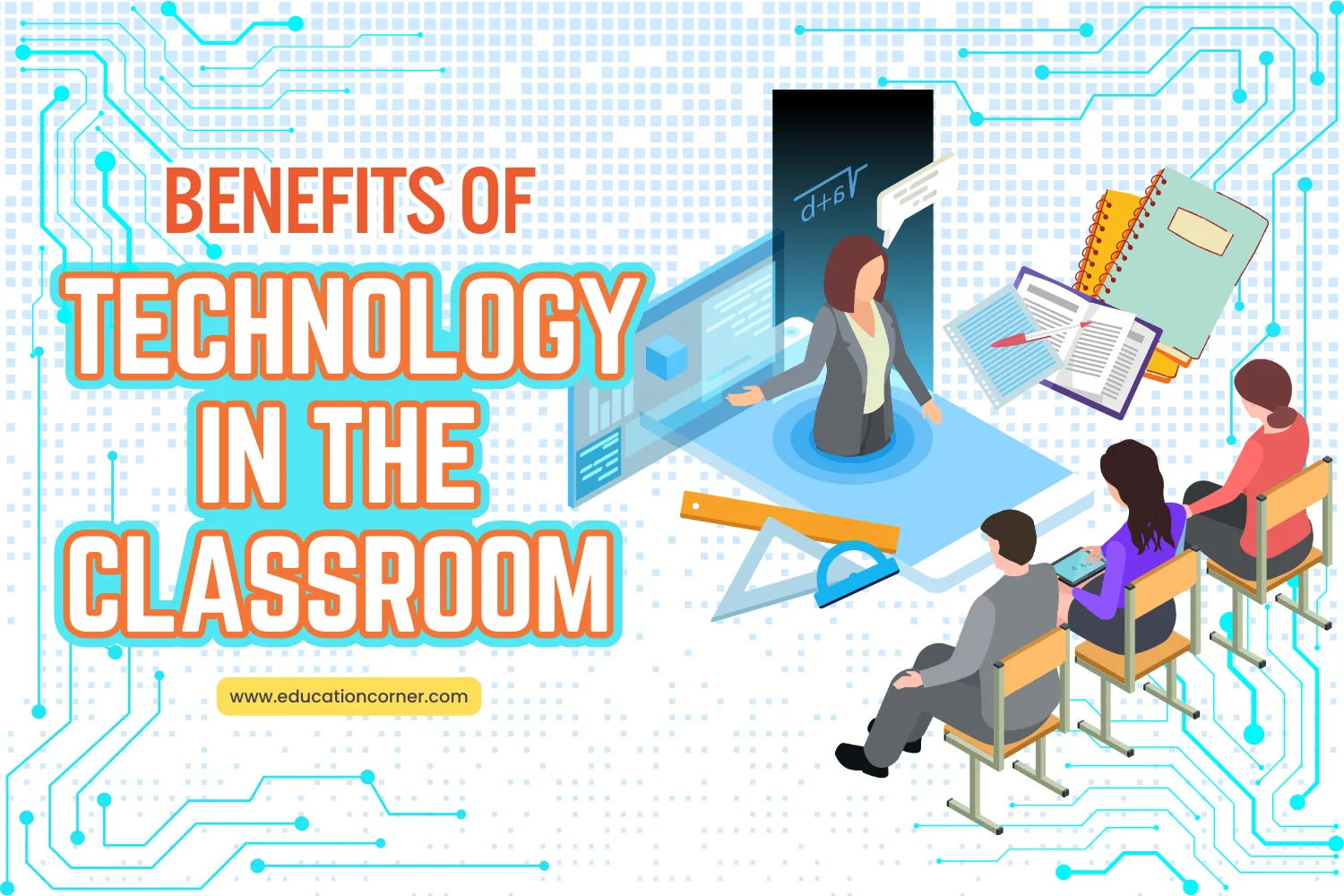
Teachers also benefit — they can find creative teaching materials, use videos to explain lessons better, and track student progress more easily. In short, technology in rural education makes learning more interactive, interesting, and inclusive.
The Challenges Rural Schools Face
Let’s be honest — it’s not easy for rural schools to access technology. Some of the biggest hurdles include:
- Weak or no internet connection: Some schools are far from network coverage.
- Few digital devices: Computers, projectors, and tablets are often outdated or broken.
- Limited funding: Schools might not have the money to buy new tech tools.
- Lack of training: Some teachers haven’t had a chance to learn how to use digital resources effectively.
But don’t lose hope — many schools have found creative ways to overcome these barriers.
How Rural Schools Can Access Technology
There’s no single solution, but small steps can lead to big change. Here are a few ideas that actually work:
- Partner with Governments and NGOs
Groups like UNESCO, UNICEF, and local organizations often help schools get devices, training, and even solar power. Rural schools can reach out to these programs or work with the Ministry of Education to apply for digital support.
- Ask for Donations or Low-Cost Devices
Many companies donate used laptops and tablets. These may not be brand new, but they still work well for classroom activities. Even small local businesses or school alumni can help.
- Use Offline Learning Tools
When internet access is poor, offline apps like Kolibri can be lifesavers. They allow students to study digital lessons without needing Wi-Fi.
- Train Teachers in Digital Skills
Teachers are the heart of change. Giving them training on how to use digital tools — from PowerPoint to online quizzes — helps them teach better and engage students more deeply.
- Use Solar Energy
Power cuts are common in rural areas, but solar panels can keep computers and routers running. It’s clean, sustainable, and effective.
The Bright Future of Rural Education
The world is slowly realizing that every child deserves equal access to learning — no matter where they live. Governments, tech companies, and communities are working together to close the digital gap.
When rural schools access technology, students don’t just learn; they grow more confident, creative, and connected to the world. They begin to dream of becoming engineers, doctors, and innovators — because suddenly, the world feels closer.
Conclusion
Helping rural schools get technology is not just about gadgets — it’s about giving hope. It’s about helping students believe they can achieve just as much as anyone else. With teamwork, smart planning, and community support, technology in rural schools can transform education for good.
So yes — even the most remote school can go digital. It starts with one idea, one computer, and one shared dream for a brighter future.
External Links (Real and Trusted Sources)
- UNICEF – Education and Technology
- UNESCO – ICT in Education
- World Bank – Digital Education in Africa

















https://shorturl.fm/mTuzr
https://shorturl.fm/RFcK9
https://shorturl.fm/YI0T0
https://shorturl.fm/03tQp