
How Does Digital Technology Affect Human Communication? How does digital technology affect human communication? Learn the simple pros, cons, and ways to communicate better in a digital world.
Understanding Digital Technology and Communication
Every day, we wake up and grab our phones before anything else. That little screen has become part of our lives. Digital technology is now the way most people talk, learn, and share things. Instead of waiting days for a letter, we can send a message in just one second.
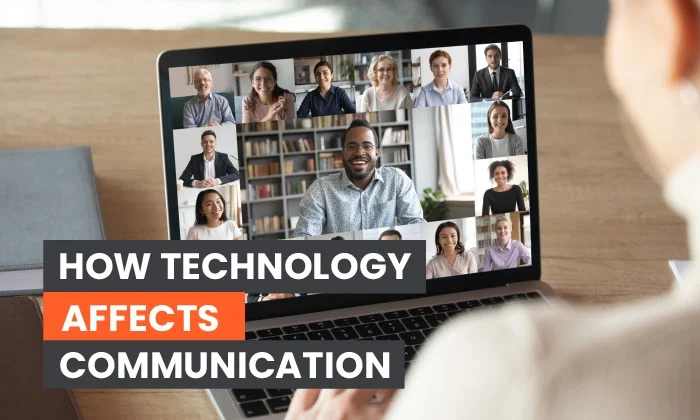
Because of technology, the world feels smaller. We can see someone’s face on a video call, even when they are miles away. This new way of talking has changed how we connect with each other—sometimes in good ways, and sometimes in challenging ways.
Positive Ways Digital Technology Affects Human Communication
Digital Technology Makes Communication Faster
With one click, you can talk to your friend, your teacher, or even your family in another country. This is one of the biggest ways digital technology shapes human communication. It makes staying connected so easy, no matter the distance.
It Helps Us Learn and Share
Need to know something? You don’t have to run to the library. You just search it. Students now learn through videos, online classes, and digital books. People share ideas freely through social media and group chats. This helps us grow and understand the world better.
It Helps More People Communicate
Technology includes everyone. People who struggle to speak, hear, or see can use smart tools to communicate. Apps can turn text into speech, or help someone join a video call using sign language. This makes communication fair for everyone.
Negative Ways Digital Technology Affects Human Communication
Less Face-to-Face Connection
While texting is quick, it cannot replace a real smile or someone’s voice. Sometimes we spend so much time online that we forget to look up and talk to the people sitting right next to us. This can make relationships weaker if we are not careful.
Technology Can Be Distracting
We all know that tiny “ding!” from our phones. It pulls our attention away from homework, conversations, or even family time. Too much screen time can make people feel alone or stressed, even when they are surrounded by others.
Wrong Information Spreads Fast
Because people share things quickly, fake news or wrong information can spread just as fast. This can cause confusion and stop people from trusting what they read online.
How to Use Digital Technology to Improve Human Communication
Balance Online and Offline Life
Technology is powerful—but real life matters too. Making time to talk face-to-face keeps relationships strong and healthy. A simple conversation can mean much more than a text message.
Use Technology with Purpose
We should use digital tools to learn, stay informed, and connect—not to hurt or bully others online. When used with care, technology becomes a tool for kindness and understanding.
Teach Kids Healthy Communication
Children watch everything we do. Teaching them how to speak kindly, listen carefully, and use technology responsibly helps them grow into strong communicators.
Conclusion: Digital Technology and Human Communication
Digital technology has changed human communication forever. It brings people closer, helps us learn faster, and gives everyone a voice. But it also brings challenges like distraction and less face-to-face time. When we find a balance, technology becomes a powerful tool that makes communication richer, kinder, and more meaningful.
3 Real External Links
- https://www.pewresearch.org/internet
- https://www.unicef.org/globalinsight/stories/digital-technology
- https://www.commonsensemedia.org/articles



















How does digital technology affect human communication? Learn the simple pros, cons, and ways to communicate better in a digital world.
https://shorturl.fm/X20MR
Courage