
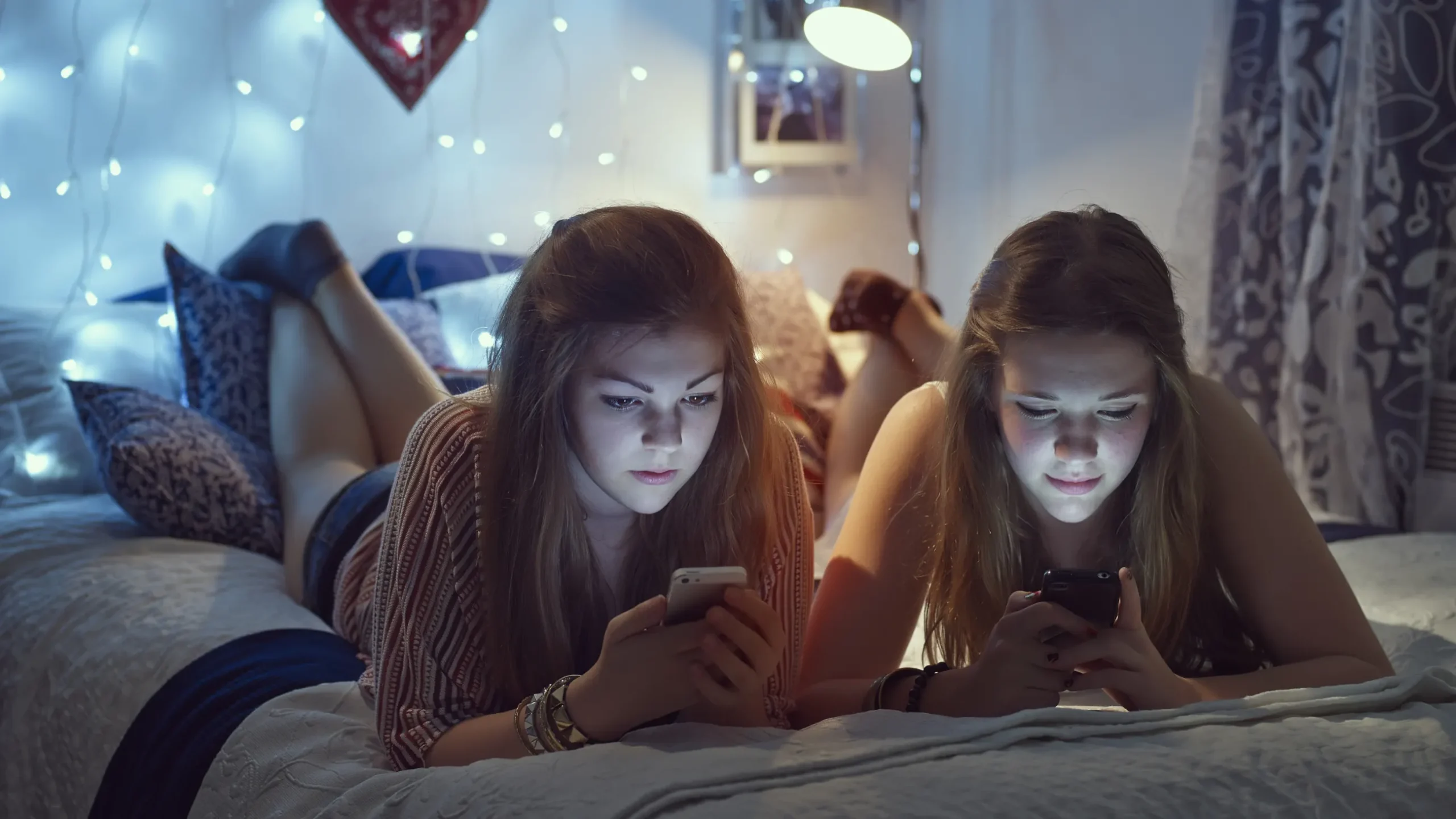
Learn how social media affects your teen’s mental health, emotions, sleep, and confidence—and how parents can help.
How Social Media Affects Your Teen’s Mental Health
If you are a parent, you have probably seen your teen glued to their phone. Social media is part of everyday life for teens. They use it to talk with friends, watch videos, and share moments from their day. While social media can be fun, it can also affect your teen’s mental health in ways that are not always easy to see.
Understanding how social media affects your teen’s mental health can help you support your child with care and confidence.
The Good Side: How Social Media Can Help Teen Mental Health
Social media is not all bad. When used in healthy ways, it can support teens.
Social Media Helps Teens Feel Connected
Teens want to feel accepted and understood. Social media helps them stay close to friends, even when they are apart. For some teens, online friendships can reduce loneliness and improve their mental health.
Social Media Gives Teens a Voice
Many teens use social media to share their ideas, art, and talents. Being seen and heard can boost confidence and help teens feel proud of who they are.
The Hard Side: How Social Media Can Hurt Teen Mental Health
Too much social media or unhealthy use can cause problems.
Social Media and Teen Anxiety
Teens often compare themselves to others online. They see perfect photos and happy faces and think they are not good enough. This can lead to worry, stress, and anxiety.
Social Media and Teen Depression
When teens feel ignored online or left out, they may feel sad. Over time, these feelings can grow into depression. Social media can make teens believe they must always look perfect to be loved.
Cyberbullying and Emotional Pain
Words online can hurt just as much as words in person. Cyberbullying can damage a teen’s mental health, leading to fear, shame, and low self-esteem.
How Social Media Affects Teen Sleep and Emotions
Sleep is important for growing minds and healthy emotions.
Late-Night Scrolling and Poor Sleep
Many teens scroll through social media late at night. Screens make it harder to fall asleep. Less sleep can cause mood swings, anger, and sadness.
Tired Minds Struggle More
When teens do not get enough rest, they may feel overwhelmed. Poor sleep can make anxiety and stress feel worse.
Signs Social Media May Be Affecting Your Teen’s Mental Health
Sometimes the signs are quiet but important.
Changes in Mood and Behavior
Your teen may seem sad, angry, or withdrawn. They may stop talking or avoid family time.
Changes at School
Lower grades or loss of focus may be signs that social media is affecting your teen’s mental health.
How Parents Can Support Healthy Social Media Use
Parents do not need to be perfect—just present.
Talk With Kindness and Understanding
Ask your teen how social media makes them feel. Listen more than you talk. This builds trust.
Set Gentle and Clear Limits
Help your teen balance screen time with real-life moments. Encourage phone-free time before bed.
Encourage Real-Life Joy
Sports, hobbies, family time, and outdoor play help teens feel happier and more confident.
Final Thoughts: Helping Teens Grow in a Digital World
Social media is here to stay. The goal is not to take it away, but to guide teens toward healthy use. When parents understand how social media affects their teen’s mental health, they can offer love, limits, and support. With care and balance, teens can grow strong, confident, and emotionally healthy.
Trusted External Resources
- American Psychological Association (APA)
https://www.apa.org/monitor/2019/09/social-media-teens - Centers for Disease Control and Prevention (CDC)
https://www.cdc.gov/mentalhealth/children/index.htm - World Health Organization (WHO)
https://www.who.int/news-room/fact-sheets/detail/adolescent-mental-health



















Learn how social media affects your teen’s mental health, emotions, sleep, and confidence—and how parents can help.inezabusiness.com